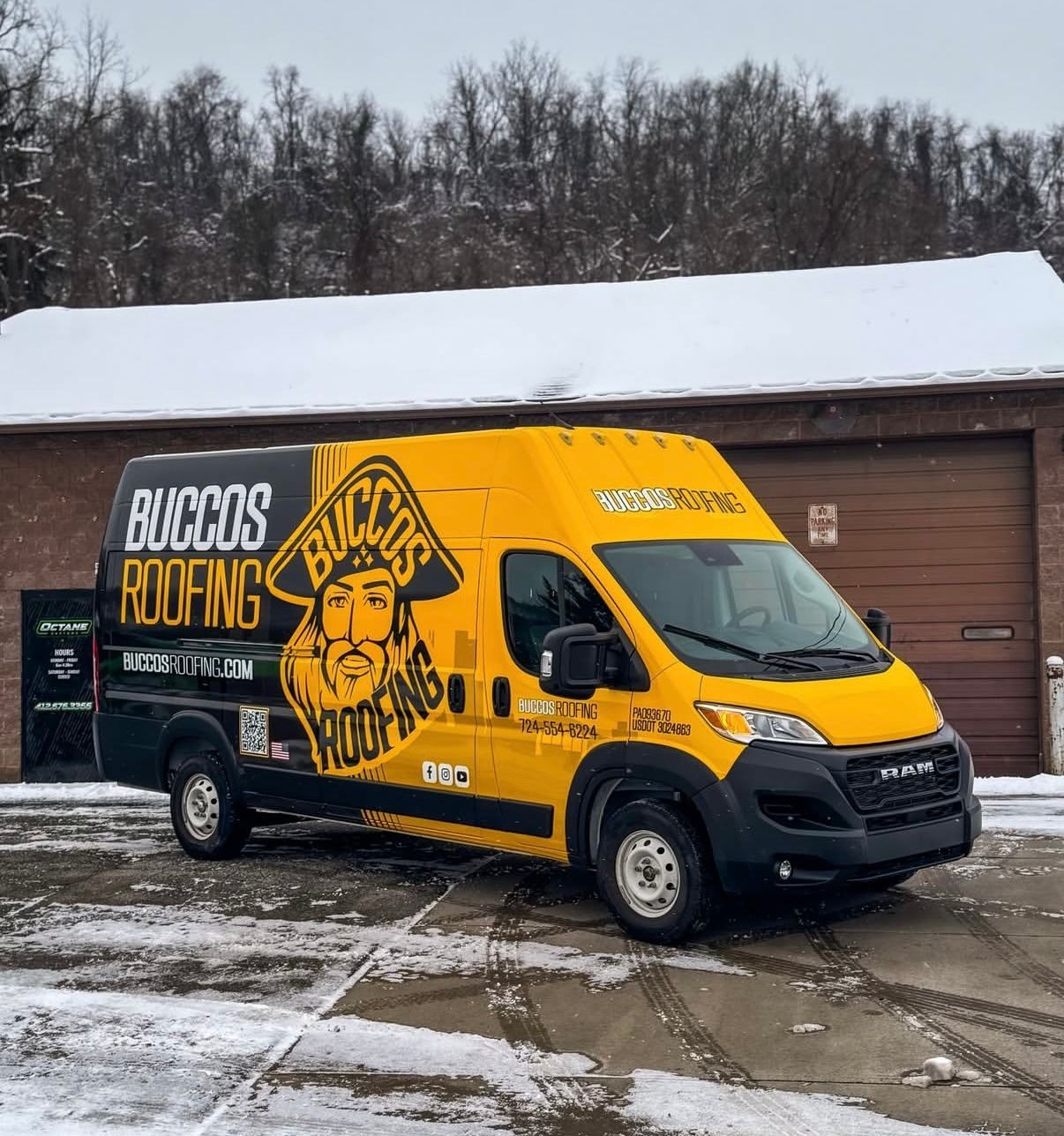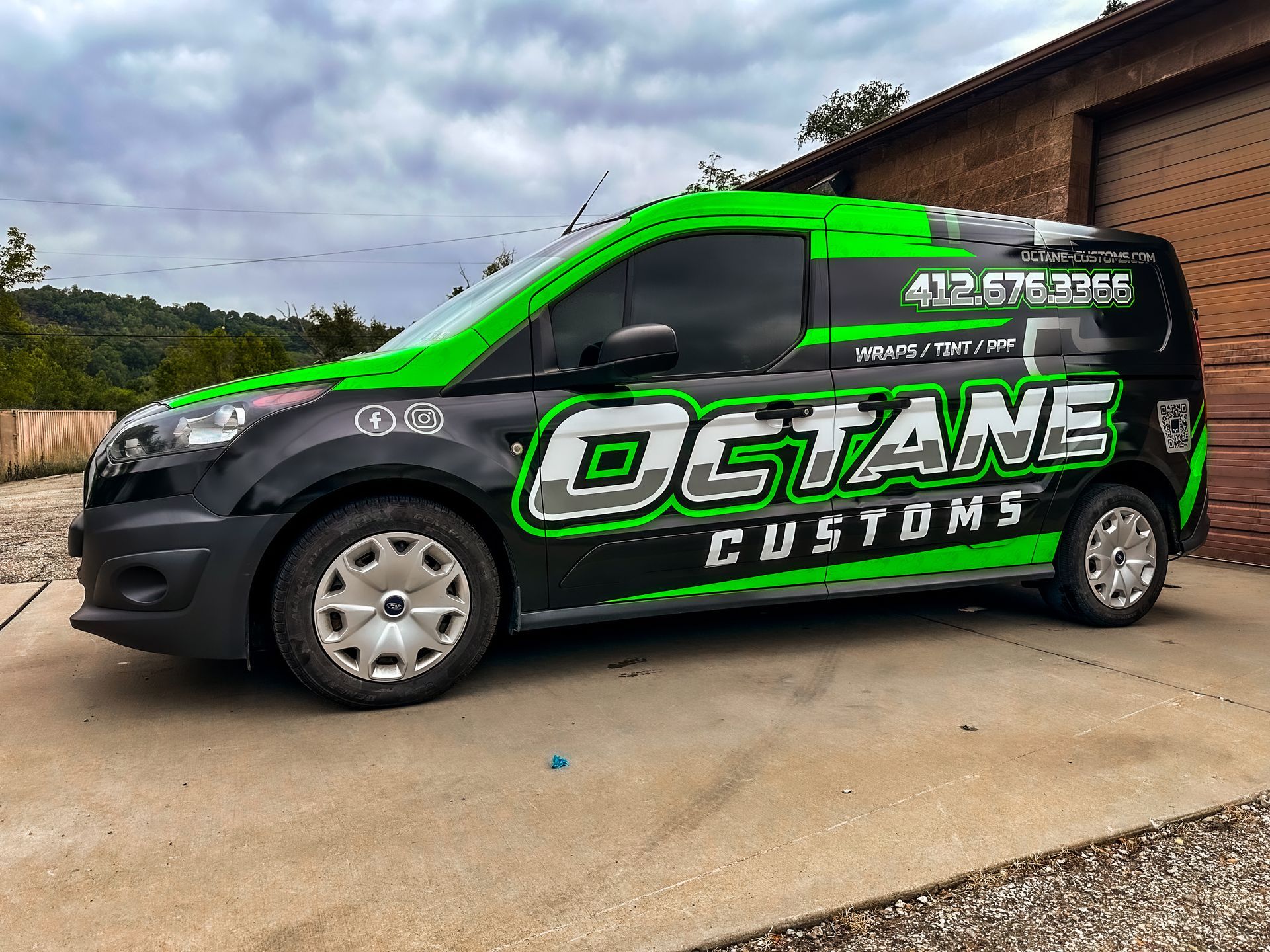
A Commercial Vinyl Wrap gives Pennsylvania businesses a practical way to place their brand directly on company vehicles. Instead of relying on a plain factory finish, businesses can use vinyl to display logos, contact information, colors, lettering, and custom graphics across cars, vans, trucks, and larger fleet vehicles. The process involves much more than sticking material onto a vehicle, because proper preparation, design, installation, trimming, and finishing all affect the final result. At Octane Customs in Jefferson Hills, PA, commercial wraps are created around a company’s branding needs, vehicle requirements, and desired coverage.
What Is a Commercial Vinyl Wrap?
A commercial vinyl wrap is an adhesive vinyl film applied over a vehicle’s existing painted surfaces to create a branded exterior. It can cover selected areas or a larger portion of the vehicle, depending on how much visibility and branding a business wants. For Pennsylvania companies that regularly travel between customer locations, job sites, and service areas, the finished vehicle can provide consistent brand exposure wherever it goes. Octane Customs offers lettering and logos, partial wraps, full wraps, custom design or graphic assistance, and printed window coverings for commercial applications.
Full and Partial Coverage
A full commercial wrap covers the painted exterior of a vehicle for broader branding, while a partial wrap focuses on specific sections such as the sides, rear, or other high-visibility areas. The right coverage depends on the vehicle, design, business goals, and available budget, rather than following one standard approach for every company. Octane Customs provides both full and partial commercial wrap options, allowing businesses to match the design to their specific vehicles.
How Does the Commercial Vinyl Wrap Process Work?
The commercial wrapping process begins with planning and ends with a final inspection of the completed vehicle. Each stage contributes to how cleanly the graphics appear and how well the material performs during regular driving. For a business in Pennsylvania, the process also needs to account for frequent vehicle use, changing weather, road conditions, and the need to return the vehicle to service efficiently.
Consultation and Design Planning
The first stage is deciding what the business wants the vehicle to communicate. Octane Customs can work with an existing brand identity or provide custom graphic assistance to create artwork that reflects the company’s visual style, goals, and budget. This stage also considers the type of vehicle, the amount of coverage, the placement of logos and information, and how the graphics will appear across different panels.
Vehicle Surface Preparation
Before vinyl is installed, the vehicle surface must be thoroughly cleaned and properly prepared. Dirt, grease, wax, and other contaminants can interfere with adhesion and may become visible beneath the material, so careful preparation is an important part of achieving a smooth finish. The condition of the existing paint and exterior surfaces also needs to be considered before installation, particularly on vehicles that have been heavily used in Pennsylvania road conditions.
Design and Vinyl Preparation
Once the design is ready, the graphics are prepared to fit the specific vehicle being wrapped. Commercial artwork may include business names, logos, brand colors, contact information, custom graphics, and other visual elements that need to align correctly from one panel to another. Octane Customs states that it uses high-quality vinyl from brands such as 3M and Avery Dennison and helps businesses select materials based on their project needs and longevity goals.
Professional Installation
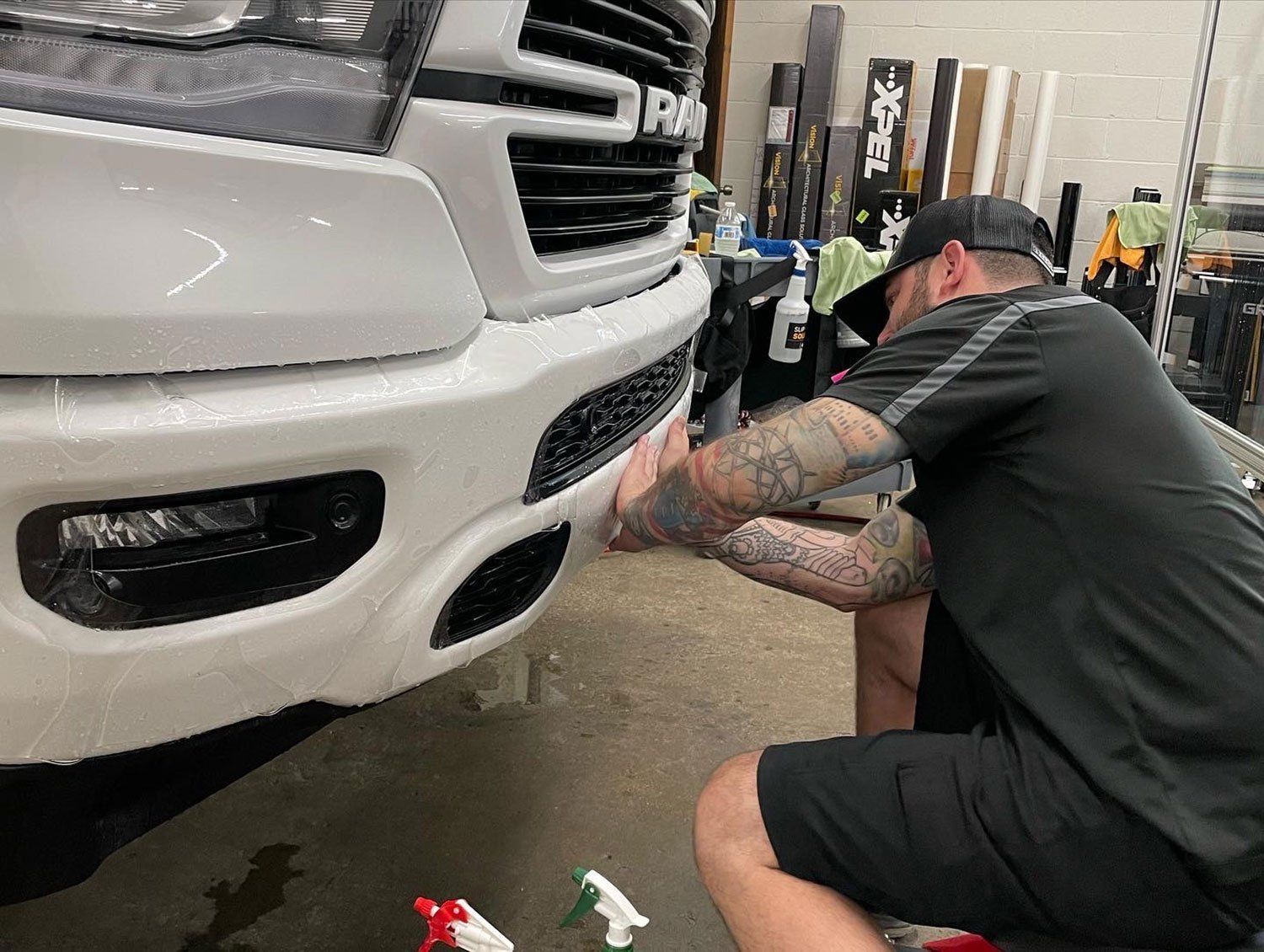
During installation, the vinyl is carefully positioned and applied to the vehicle panel by panel. Installers work around body lines, curves, doors, handles, edges, and other areas where the material needs to conform to the vehicle’s shape without creating unnecessary wrinkles or bubbles. Octane Customs says its certified installers properly prepare each vehicle surface and apply the wrap with precision for a clean, bubble-free finish.
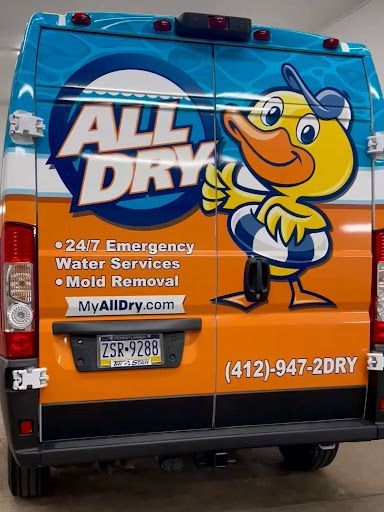
How Does Vinyl Wrap Conform to Different Vehicle Surfaces?
Vehicles are made up of many different shapes, so commercial vinyl needs to work across curved and contoured surfaces rather than only flat panels. Professional installation involves controlling the material as it is placed so the design follows the vehicle’s body lines and remains visually consistent. This is especially important for work vans and trucks, where doors, recessed sections, handles, and panel breaks can make the surface more complex.
Working Around Curves and Body Contours
The installer gradually works the vinyl across each section while maintaining proper alignment and a consistent finish. Careful handling around curves and recessed areas helps prevent visible distortion and reduces the chance of lifting along edges or difficult sections. A properly installed wrap follows the shape of the vehicle while keeping logos, lettering, and graphics positioned as intended.
How Are Trimming and Finishing Completed?
After the main vinyl has been applied, the installation moves into detailed finishing work. Excess material is carefully trimmed around edges, seams, handles, openings, and other features so the finished wrap looks integrated with the vehicle rather than oversized or unfinished. Final checks also help identify areas that may need adjustment before the vehicle returns to regular business use.
Final Trimming and Inspection
Trimming requires precision because cuts must follow the vehicle’s contours without compromising the vinyl or underlying finish. Installers also inspect corners, seams, panel transitions, and graphic alignment to ensure the completed vehicle maintains a consistent appearance from different viewing angles. This final stage is important for both presentation and long-term performance.
How Does a Commercial Vinyl Wrap Display Business Branding?
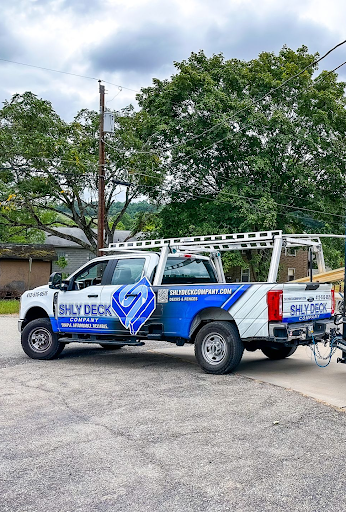
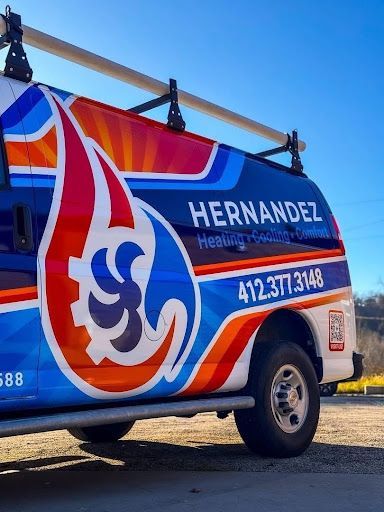
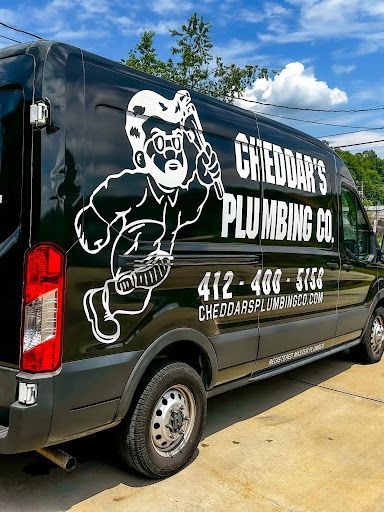
A wrapped business vehicle can carry the same visual identity customers see on a company website, signage, uniforms, or other marketing materials. Brand colors, logos, business names, phone numbers, websites, and custom graphics can be arranged so important information remains visible while the vehicle is moving or parked. Octane Customs describes commercial wraps as a way to turn company vehicles into mobile branding assets and supports businesses ranging from individual operators to larger fleets.
Creating Consistent Fleet Branding
Consistency becomes especially important when a Pennsylvania business operates several vehicles. Using related colors, graphics, logos, and layouts across the fleet can create a recognizable appearance whether a vehicle is working in Pittsburgh, Washington, Bethel Park, Bridgeville, or another service area. Octane Customs offers commercial and fleet wrap services designed for individual vehicles as well as larger groups of work vehicles.
What Affects Commercial Vinyl Wrap Durability?
The durability and appearance of a commercial wrap depend on several parts of the project rather than the vinyl alone. Material quality, installation technique, vehicle use, environmental exposure, and maintenance can all influence how the wrap looks over time. In Southwestern Pennsylvania, vehicles may experience winter road salt, changing temperatures, sunlight, rain, and everyday road debris, making proper installation and care particularly relevant.
Material, Installation, and Maintenance
Higher-quality materials and professional installation can help support a consistent finish, while regular maintenance helps preserve the appearance of the wrap. Octane Customs states that a professionally installed, high-quality commercial wrap can last around five to seven years or longer, depending on vinyl quality and environmental exposure. The company also notes that correctly installed and removed vinyl can help protect the original paint from minor scratches, sun exposure, and road debris.
What Should Businesses Expect After Installation?
Once installation and final inspection are complete, the wrapped vehicle can return to its normal role in the business. Owners should continue following appropriate care practices and monitor heavily used areas as part of routine vehicle maintenance. Octane Customs says it works around client schedules to help reduce vehicle downtime and get wrapped vehicles back into service.
Caring for a Wrapped Business Vehicle
Regular cleaning helps maintain the appearance of commercial graphics, while harsh cleaning methods can create unnecessary wear on the vinyl. Octane Customs advises avoiding automatic car washes with harsh brushes and abrasive products when caring for wrapped vehicles. Proper care becomes even more important for Pennsylvania work vehicles that spend significant time outdoors or on busy roads.
Build a Consistent Brand Presence With Commercial Vinyl Wrap
A commercial vinyl wrap gives Pennsylvania businesses a practical way to turn company vehicles into recognizable branding assets. From design planning and surface preparation to professional installation, trimming, and maintenance, each step contributes to the finished appearance and durability of the wrap. Whether you need lettering and logos, a partial or full wrap, or graphics for multiple commercial vehicles, Octane Customs can help create a solution based on your vehicle and branding needs.
Contact us today to discuss your commercial vinyl wrap project in Jefferson Hills, PA, and throughout Southwestern Pennsylvania.