What Is the Difference Between Gloss and Matte Paint Protection Film?
ice for owners who want to preserve their vehicle's original factory finish without making a noticeable change to its styling. Depending on the film, gloss PPF can also enhance the visual depth and smooth appearance of the paint. Its protective layer helps reduce the impact of common road hazards, including small stones and minor surface scratches. For Pennsylvania drivers who want to maintain a polished appearance, gloss PPF offers a practical combination of paint protection and finish preservation.
How Gloss PPF Affects Vehicle Appearance
Gloss PPF maintains the reflective quality associated with traditional automotive paint, helping a vehicle retain its clean, polished look. On suitable glossy finishes, the film can enhance the appearance of the paint's color and depth while creating a smooth surface. This makes it a suitable option for drivers who appreciate the original styling of their cars and want to protect that appearance during everyday use. The final result depends on the condition of the underlying paint, film clarity, and installation quality. When properly installed, gloss PPF can provide protection without significantly changing the vehicle's factory appearance.
Which Vehicles Are Best Suited to Gloss PPF?
Gloss PPF is suitable for vehicles with factory gloss paint, including luxury sedans, sports cars, performance vehicles, and everyday cars. Owners who want to preserve the original finish without changing its reflective appearance may prefer this option. It can be especially useful on exposed areas such as the hood, front bumper, fenders, and side mirrors, where road debris can cause visible damage. Drivers around Pittsburgh and throughout Pennsylvania can consider gloss PPF when maintaining their vehicle's original appearance is a priority. The appropriate film and coverage depend on the vehicle's condition, paint type, and protection requirements.
What Is Matte Paint Protection Film?
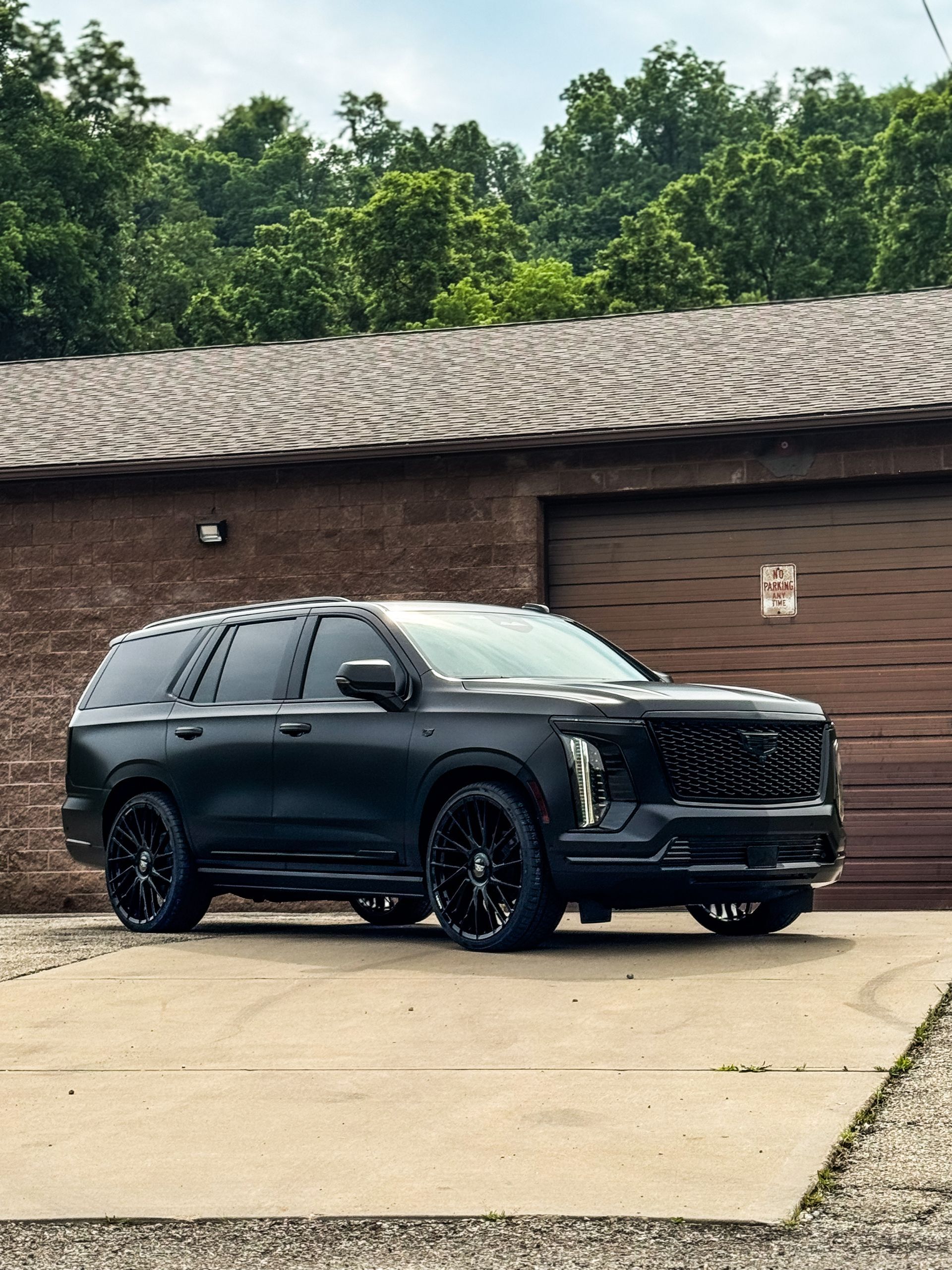
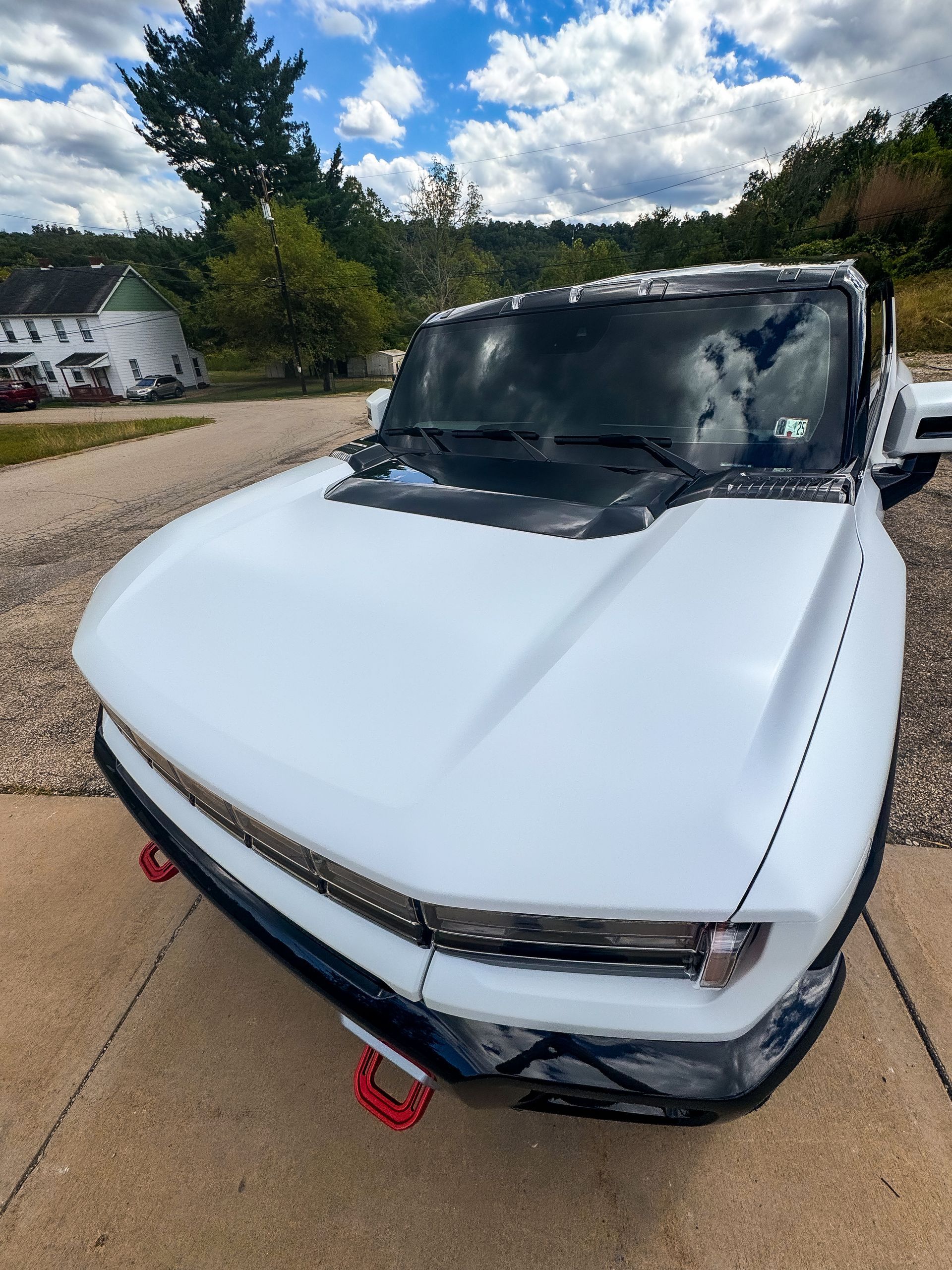
Matte paint protection film provides a low-reflection finish while helping protect a vehicle's paint from common road hazards. Unlike gloss PPF, which preserves a shiny appearance, matte PPF creates or maintains a subtle satin or matte look, depending on the product selected. It is suitable for vehicles with factory matte paint as well as glossy vehicles whose owners want a different exterior style. Selecting the correct film is important because matte finishes require compatible products and installation techniques to maintain a consistent appearance. For drivers in Pennsylvania, matte PPF offers a way to combine paint protection with a distinctive finish.
How Matte PPF Changes Vehicle Appearance
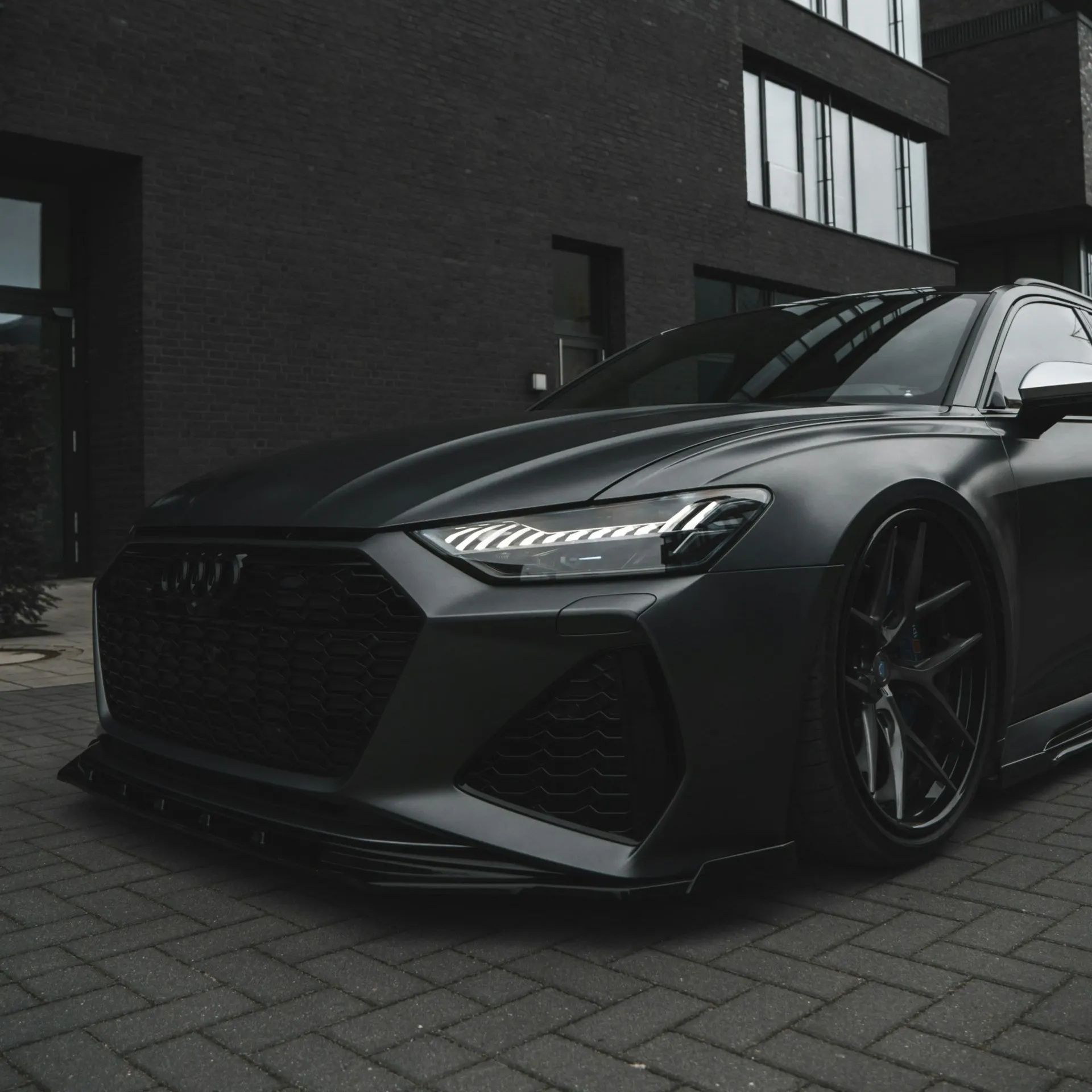
Matte PPF reduces the reflective appearance of a vehicle's surface, creating a softer, more understated visual effect than traditional gloss paint. Applied over compatible glossy paint, it can transform the vehicle's appearance without requiring a permanent repaint. On factory matte or satin paint, the appropriate film can help preserve the original finish while providing an additional protective layer. The exact result varies according to the film's texture, sheen, and the paint underneath. Professional installation helps maintain a consistent appearance across the covered panels and reduces the risk of visible imperfections.
Which Vehicles Are Best Suited to Matte PPF?
Matte PPF is suitable for vehicles with factory matte finishes, satin paint, or glossy paint that owners want to transform into a lower-reflection appearance. It can complement performance cars, luxury vehicles, and custom builds where distinctive styling is an important consideration. Owners should select a film designed for the intended finish to avoid unwanted changes in sheen or appearance. Before installation, the condition of the paint and the compatibility of the film should be assessed. Octane Customs can help Pennsylvania vehicle owners consider matte PPF as part of their exterior protection plans.
Gloss vs Matte Paint Protection Film: Key Differences
The main difference between gloss and matte paint protection film is the appearance each creates on a vehicle's exterior. Gloss PPF maintains a reflective, polished finish, while matte PPF provides a satin or low-reflection look. Both options can help protect painted surfaces against rock chips, road debris, and minor scratches, depending on the film's specifications. Maintenance requirements also differ because products suitable for glossy surfaces may not be appropriate for matte finishes. Understanding these distinctions helps drivers choose a PPF option that aligns with their vehicle's existing paint, styling preferences, and everyday driving needs.
Appearance, Protection, and Practical Use
Gloss PPF is generally selected to preserve the original appearance of glossy automotive paint, while matte PPF suits owners who prefer a subtle finish or want to change the vehicle's look. Neither finish automatically provides better protection simply because of its appearance; the film's construction, thickness, top coat, and installation quality are more important considerations. Some products in both categories offer self-healing properties that help minor surface marks diminish under suitable conditions. Coverage is another important factor, as exposed areas may benefit from additional protection. Comparing product specifications with a professional installer can help determine which film best meets your requirements.
How Do Gloss and Matte PPF Protect Against Rock Chips and Minor Scratches?
Paint protection film acts as a physical barrier between a vehicle's paint and many everyday hazards encountered on the road. Both gloss and matte PPF can help reduce damage from small stones, gravel, minor abrasions, and minor surface scratches. This protection is valuable for Pennsylvania drivers who regularly travel highways, encounter construction zones, or drive in changing seasonal conditions. However, PPF is not designed to prevent every type of damage, and severe impacts can still affect the film or the paint beneath it. Selecting suitable coverage and ensuring professional installation are important parts of an effective paint protection plan.
Protection Against Road Debris and Minor Scratches
The hood, front bumper, fenders, and side mirrors are commonly exposed to flying stones and road debris, making them important areas to consider for PPF coverage. Certain films also feature self-healing top coats that help minor surface marks disappear when exposed to suitable heat. These properties vary by product and should not be confused with protection against deep scratches, dents, or major impacts. Gloss and matte finishes can both provide a protective barrier when the selected film is appropriate for the vehicle. For drivers around Pittsburgh, choosing coverage based on driving habits can help preserve the condition of frequently exposed painted surfaces.
Maintenance Differences Between Gloss and Matte PPF
Regular maintenance helps preserve the appearance and performance of paint protection film over time. Although gloss and matte PPF serve similar protective purposes, their surface finishes require different care considerations. Gloss film is maintained with products compatible with its reflective surface, while matte film requires products that will not introduce unwanted shine. Both finishes benefit from gentle washing and avoiding abrasive cleaning methods that could damage the film. Pennsylvania drivers should also follow the manufacturer's recommendations for washing, drying, and applying any additional protective coatings to maintain the intended finish.
Maintaining Gloss and Matte Finishes
Gloss PPF can be maintained through regular washing with compatible automotive cleaning products and soft wash materials that help minimize surface marks. Matte PPF requires similar care but should be cleaned with products specifically approved for matte surfaces, avoiding conventional waxes or polishing compounds that could change its sheen. For either finish, harsh chemicals and abrasive tools should be avoided unless the manufacturer confirms they are safe to use. Some compatible ceramic coatings may improve water repellency and make cleaning easier. Checking product compatibility before applying coatings or detailing products helps protect the film's appearance and longevity.
Which PPF Finish Is Best for Your
Vehicle?
Choosing between gloss and matte paint protection film depends on your vehicle's existing paint, preferred appearance, and expectations for ongoing maintenance. Neither finish is universally better because each serves a different styling purpose. Gloss PPF is appropriate when preserving a shiny factory appearance is the goal, while matte PPF suits drivers who prefer a satin finish or want to transform glossy paint. Driving habits and the areas requiring protection also influence the decision. Before selecting a film, consider how the finish will complement your vehicle and discuss suitable products and coverage with a professional installer.
Matching PPF to Your Paint and Driving Habits
If your vehicle has factory gloss paint and you want to maintain its original appearance, gloss PPF is a natural option to consider. Matte PPF may be more suitable if your vehicle already has a matte finish or you prefer a lower-reflection style. Drivers who regularly commute on Pennsylvania highways may also want to consider protection for exposed areas, regardless of their preferred finish. Maintenance preferences should be part of the decision, particularly for matte surfaces that require finish-appropriate cleaning products. Reviewing these factors with Octane Customs can help you choose a solution that balances appearance, practical protection, and care requirements.
Why Pennsylvania Drivers Consider Paint Protection Film
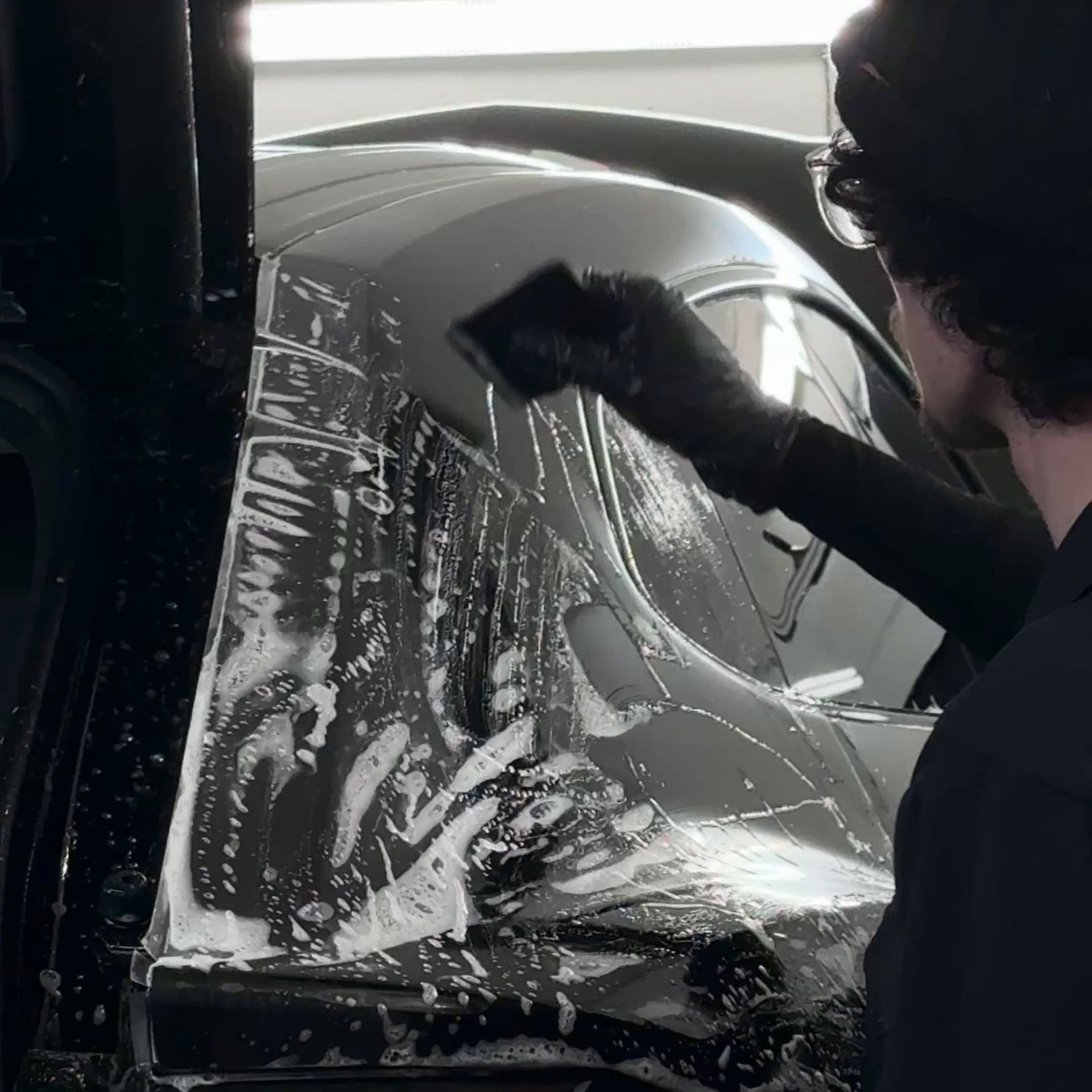
Pennsylvania driving conditions can expose vehicle paint to road debris, loose gravel, construction materials, and winter road treatments. These everyday hazards can leave chips and surface marks that affect a vehicle's exterior appearance. Paint protection film offers an additional layer of defense for painted surfaces, helping owners maintain their vehicles between washes and detailing appointments. For drivers in Pittsburgh, Jefferson Hills, and surrounding communities, selecting the right finish is only one part of the decision. Film quality, coverage, installation, and proper maintenance also contribute to the overall protection and appearance of the vehicle.
Choosing PPF for Pennsylvania Roads
Drivers who frequently travel highways or commute through construction areas may benefit from protecting exposed paintwork with suitable PPF coverage. Gloss and matte films provide different visual results, but both can help reduce the effects of common road hazards when properly selected and installed. Seasonal maintenance is also important, particularly when road salt and grime accumulate on exterior surfaces during winter. Octane Customs serves vehicle owners seeking paint protection solutions in the Greater Pittsburgh area. Considering local driving conditions alongside your preferred finish can help you make a practical decision for your vehicle.
Protect Your Vehicle With the Right PPF Finish
Selecting between gloss and matte paint protection film allows you to prioritize either a reflective factory appearance or a subtle satin finish while helping protect your vehicle's paint. The right choice depends on the existing finish, desired styling, product specifications, and maintenance preferences. Both options can help reduce damage from rock chips and minor surface scratches, although protection varies by product and installation. Octane Customs can help Pennsylvania drivers evaluate their paint protection needs and choose an option suited to their vehicle. Visit the website to discuss your requirements and
request a quote for professional paint protection film installation.